
One of India’s most renowned tribal art forms, Warli art comes from the Warli tribe from the Western Ghats in the state of Maharashtra. Warli art paintings are a pictorial representation of the tribe’s life, activities, and customs. Their art is distinctive because it is characterized by simple, geometric shapes and tells a story. In the past few years, it has become increasingly difficult to protect this art due to the loss of traditional techniques and materials. This article highlights the techniques to safeguard the artwork so that it can be preserved for future generations.
Analyzing the Heart of Warli Art
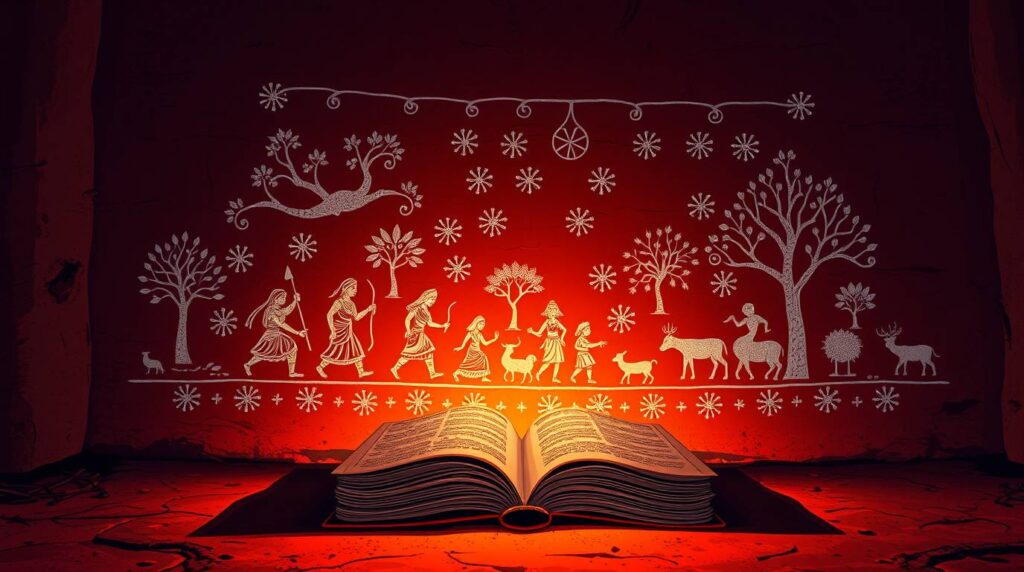
Warli art contains more than just beautiful pictures. It expresses the culture and social practices of the Warli Tribe. Warli paintings were created on the walls of mud huts with a mixture of rice paste and water with a binder of gum. The designs incorporate basic geometric shapes like circles for the sun and moon, triangles for mountains and trees, and squares for holy enclosures. People and animals are depicted with stick-like shapes, captured performing activities like farming, hunting, dancing, and celebrating holidays. This artwork offers a snapshot of the Warli people’s lives and nature and their culture. Its international recognition makes a case for the Warli culture to be preserved.
Common Problems with Warli Art
Identifying the threats to Warli art is similar to danger management. The most important issues are:
Environmental: Warli art was painted on a mud wall. These walls are bound to crack, wash, or erode over time. Reproductions on paper or canvas works are also susceptible to sunlight, humidity, and dust. Hence the need to focus on preserving original Warli artworks.
Mass Production: The popularity of Warli art poses a danger, as people have started to manufacture replicas. While these replicas capture the essence of the original work, they do not retain the artistic value. These replicas are often created using poor quality materials and digital means, stripping the art of its essence.
Lack of opportunities: The art form relies heavily on tribal artisans and the narratives they weave. As younger generations leave the countryside, or pursue different job options, the traditional skills have the risk of becoming obsolete.
1. Educating communities and artisans on safeguarding Warli art.
Educating Warli artists on the importance of safeguarding their work is necessary. Workshops and training sessions can instruct them on ways to protect their art from environmental damage, which materials are more durable, and the importance of using traditional methods. Communities should also be motivated to pass these skills to the younger generation.
2. Increasing accessibility to learn
The most fool proof way to preserve an art form is to teach it to the next generation. By making this traditional Indian art more easily available for today’s generation to learn will ensure its glory stays on for years to come. Online art courses or simple DIY books by artist are a great way to increase knowledge, learning and interest in the traditional tribal art of Warli.
3. Archiving artworks properly
Warli paintings need delicate care. Artworks should be displayed in regulated environments such as homes, galleries, or museums. Other tips include
- Avoid windows and stay away from sunlight to prevent fading.
- Maintaining the right temperature and humidity levels
- Utilizing glass frames that filter out harmful UV rays
- Maintaining proper space for the artworks and not overcrowding them
4. Digital Records
Through digital archiving, Warli art can be preserved for future generations. Modern techniques such as 3D scanning and high-resolution photography capture information in such fine detail. These digital copies can serve many purposes such as teaching aids, online exhibitions, or references for future learners. While digital preservation does not serve as a substitute for the original, it does safeguard invaluable designs and cultural knowledge from annihilation.
Also read:- Pichwai Art & Painting
5. Protection by law and culture
There is a need to protect Warli art as a cultural or intellectual property and that it requires urgent advocacy. Geographic Indications (GIs) and copyright provisions can ensure that only genuine tribal artisans reap the benefits from commercialization. This protection is vital to prevent mass marketers or forgers from exploiting them.
6. Raising Awareness
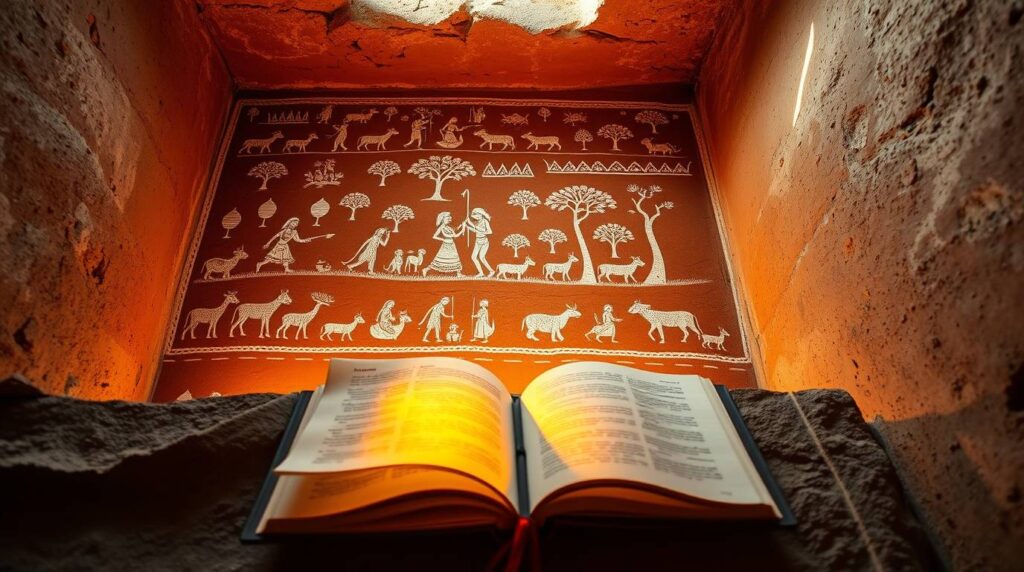
Workshops, exhibitions and awareness campaigns can be valuable to improve the public’s appreciation for Warli art. Increased awareness and understanding of the art enables people to truly value the need to preserve it, purchase authentic pieces, and support tribal artists.
In conclusion
Warli art is alive with the cultural history of the tribes in Maharashtra. It is not only important to safeguard these works of art, but equally important to safeguard the Warli identity, traditions, and narratives. To make sure that Warli art is able to inspire, educate and continue to fascinate future generations, it is important to teach about the art created by the Warlis, use eco-friendly materials, store it appropriately, make digital copies, and legally safeguard it.
Learning how to preserve tribal masterpieces begins with the combination of traditional and modern techniques. Supporting and respecting Warli artists, along with promoting their stories, will help preserve this art form in the contemporary world.