
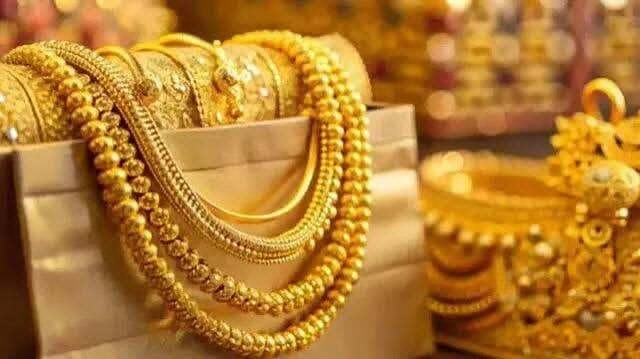
Measurement plays an important role in all parts of human life, whether in business, construction or cooking. The metric system is used for measurements throughout the world, but a few regions continue to use non-metric units that have been around for centuries. The term ‘1 tola of gold’ is one such instance which is used as a standard measure in Eastern India in the states such as Odisha, West Bengal and Jharkhand.
The article delves into the importance of 1 tola gold in grams, its connection to the current gold rate today in Balasore, and the cultural context surrounding this ancient custom.
Learn the Basics of Tola
The word ‘tola’ is derived from the ancient Indian measurement system. Traditionally 1 tola equates to roughly 11.66 grams. This was the weight of the gold coin, used for transactions in the regional markets. The metric system has made some progress but the tola is still used for gold trade and jewellery in many regions of India.
In the East India, the 1 tola gold standard has been taken up as a handy measurement of precious metal. This unit of measurement makes a transaction with gold easier because it is linked with cultural events such as gift giving, marriage and religious events where gold is generally important.
Cultural Importance of Gold in Eastern India
In Indian society, gold has been considered a symbol of wealth, prosperity and status. Gold in Eastern India is more than just a metal, it can be a part of life events. For instance, gold jewellery is exchanged to signify the status and wealth of the family during marriages. This is an important cultural tradition, and with the introduction of 1 tola gold, it became easier for families to easily measure gold during important occasions.
The use of the tola measurement also has a traditional and cultural dimension, as it is the one that has been adopted by the people over time. The tradition of using 1 tola as the standard measurement may be perpetuated across generations, impacting choices of buying items, investing and even saving money today.
In Gold Transactions, 1 Tola is Equal to 12 Karat
In gold transactions, 1 Tola is equivalent to 12Karats.
For consumers and investors, it is particularly relevant to understand the correlation between the current gold market prices and 1 tola. The price of gold in Balasore today can be influenced by various economic factors, such as global demand, geopolitical uncertainty, and domestic economic conditions. However, with this fluctuation, the weight of 1 tola can still be used as a reliable benchmark for transactions.
To make it more clear, if the current rate of gold in Balasore is ₹5,800 per gram, then 11.66 grams (or 1 tola) will be worth about ₹67,866. This makes it easy for the buyer and seller to calculate the price.
Modern Economic Implications
The tola measure is also “sticky” with economic consequences. Businesses and jewelers in the Eastern Indian markets may be able to build a business model that aligns with the local customer’s price sensitivity and comfort level with 1 tola, as opposed to grams, as their preferred unit of measurement. In bigger cities, the pricing system may be more of a modern approach, but in smaller towns, like Balasore, it is easier for them to stick with the tola system of pricing.
But contemporary gold investments or gold purchases may be more oriented to the different indicators rather than the traditional ones, and they may feature gold pricing for bigger investments by the gram. The challenge is balancing the traditional and modern financial practices. This is particularly relevant for the consumers who may have been used to purchasing gold that is worth tolas but may not be familiar with the value in terms of grams.
Problems in Converting to Metric Measures
Despite its practicality, moving from tola to metric units is still a contentious issue. One of the key factors for this is emotional and cultural linkage with traditional units. Many families have passed down gold over generations and kept tolas (accounts) of their gold holdings instead of grams.
There’s also an education problem, because many consumers are not fully familiar with the metric unit of measurement, and may be anxious about what working with grams would be like. For retailers and jewelers, this is a very important point—an awareness campaign on converting to grams, respecting the traditional tola, can not only help to address concerns of consumers but also help to develop a more coherent pricing structure.
The Future of Gold Measurement in Eastern India
With the changing dynamics of the market as a result of globalization, the future of gold measurement in Eastern India is not certain. The combination of traditional and modern economic practices may create the possibility of a hybrid system in which tola and grams will exist together. Educational programmes could be used to communicate the benefits of metric measure to consumers whilst maintaining the cultural value of the tola.
Technology too has not been spared of its effects. As digital gold increases in popularity with younger consumers, additional terms and metrics, such as ‘grams,’ could become popular, particularly with the support of apps and online platforms that facilitate transactions. This, in turn, presents jewelers and investment platforms with the chance to use technology to develop user friendly experiences, combining both measurements.
Conclusion
To sum up, 1 tola of gold is a deeply entrenched cultural, social and traditional standard measure in Eastern India. The overall direction is towards modernization and the use of metric measurements, but a word of caution on the meaning of the tola. It is a place for many to remember and to identify with.
This will necessitate a level of sensitivity beyond just the traditional system, and at the same time will involve a sensitivity to a global economy. Eastern India can continue to celebrate its rich heritage while exploring new possibilities, in this tola, as in many others.
If you are interested in the current economic situation, gold price today Balasore can give you an idea of the economic scenario of the local markets and highlight some of the traditions that play such an important role in the economy of the region. In acting as both a unit of measure and a symbol of prosperity, 1 tola continues to play an integral role in the lives of those in Eastern India.